Creative 2017
Housewarming Museum Guide
To celebrate buying our first house in 2017, Michelle and I turned it into a museum - a self-guided audio tour with numbered stops, narrators, and guest interviews, the way you'd walk a gallery with a handset to your ear.
- Jekyll
- GitHub Pages
- HTML5 Audio
- jPlayer
- jQuery
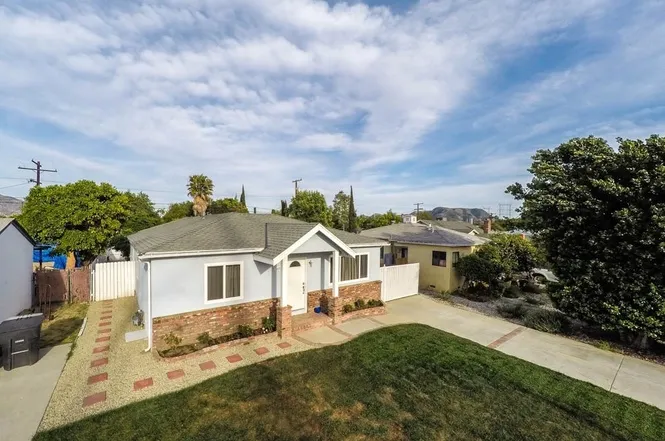
In 2017, Michelle and I bought our first house - a little place on N. Clybourn in Burbank, California. To celebrate, we did the only sensible thing: we treated it like a museum and built it a proper audio guide.
The result is a self-guided walking tour. Visitors pull it up on their phone, and at each marked spot in the house they punch in the corresponding number - exactly the way you’d carry a handset through a gallery. Eleven numbered stops cover the home itself, its history, and its current residents, with a few detours along the way.
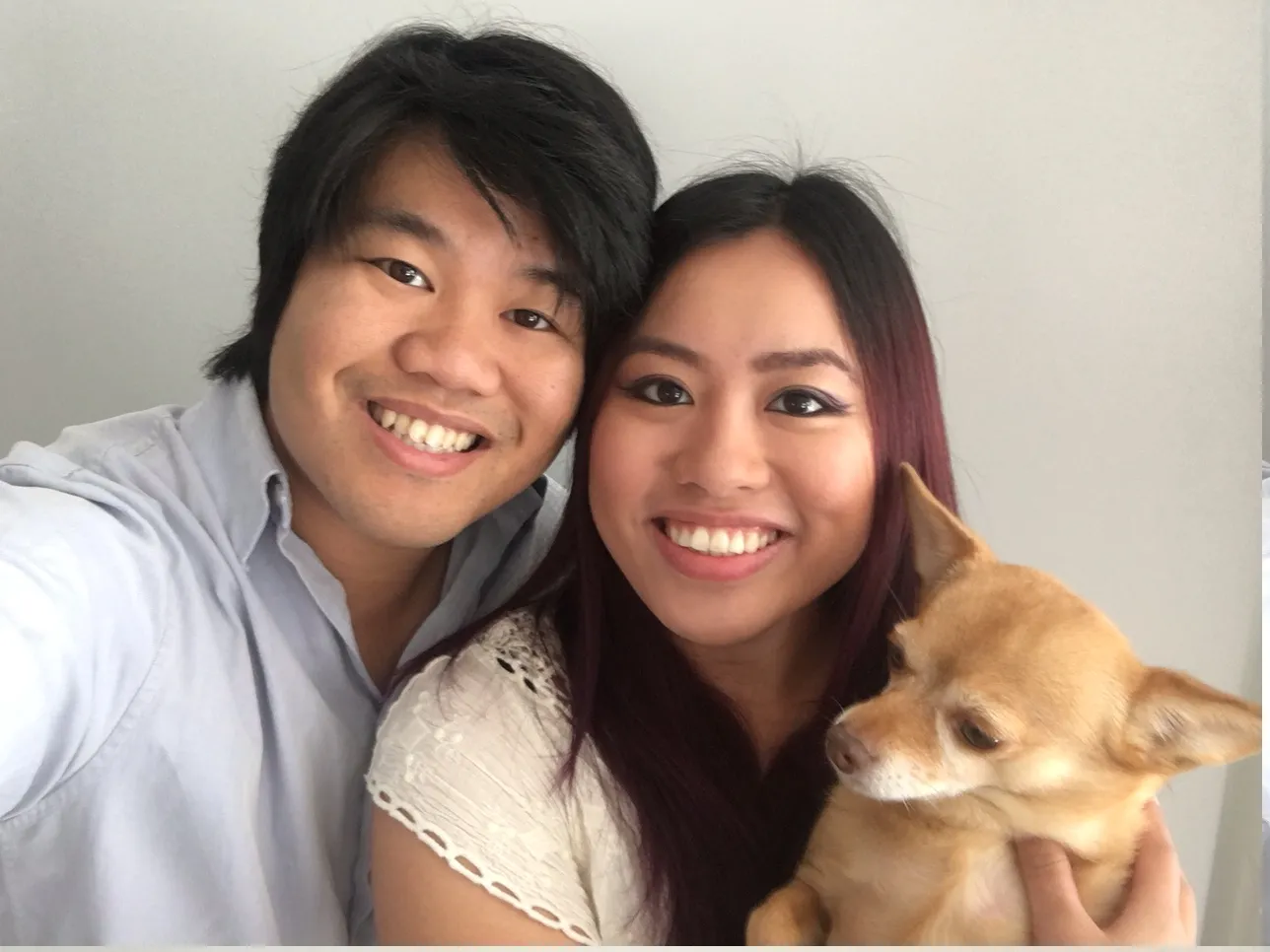
The script and the cast
Michelle and I wrote the entire script ourselves, then recorded it as a pair of hosts trading off the narration. We open the tour by welcoming guests in English, Spanish, Mandarin, and Japanese - a small nod to everyone who came through the door. Beyond the two of us, we brought in guest interviews and additional narrators so each stop had its own voice rather than a single monotone guide reading placards.
The tech
The site is built on Jekyll and hosted for free on GitHub Pages. The foundation is the open-source Audio Guide Jekyll theme originally created by the Australian Centre for the Moving Image (ACMI) for their real-world gallery tours - a fitting starting point for turning a house into a museum.
Each stop is a Markdown page with its MP3 wired into an HTML5 <audio>
element. On top of that, jPlayer (driven by jQuery) provides the
fixed-position player at the bottom of the screen, with a Flash fallback for the
older phones of the era, while Slick handles the image carousels. The whole
thing is a static site - no backend, no database - which is exactly why it’s
still happily online and playable years later.