Software 2025
Google Places Search
An early foray into building something I needed. A plugin that turns a restaurant name into a linked Obsidian note - address, coordinates, photo and rating - so I can be present at the table instead of making a file.
- TypeScript
- Obsidian Plugin
- Google Places API
- esbuild
- Vitest
- Claude Code
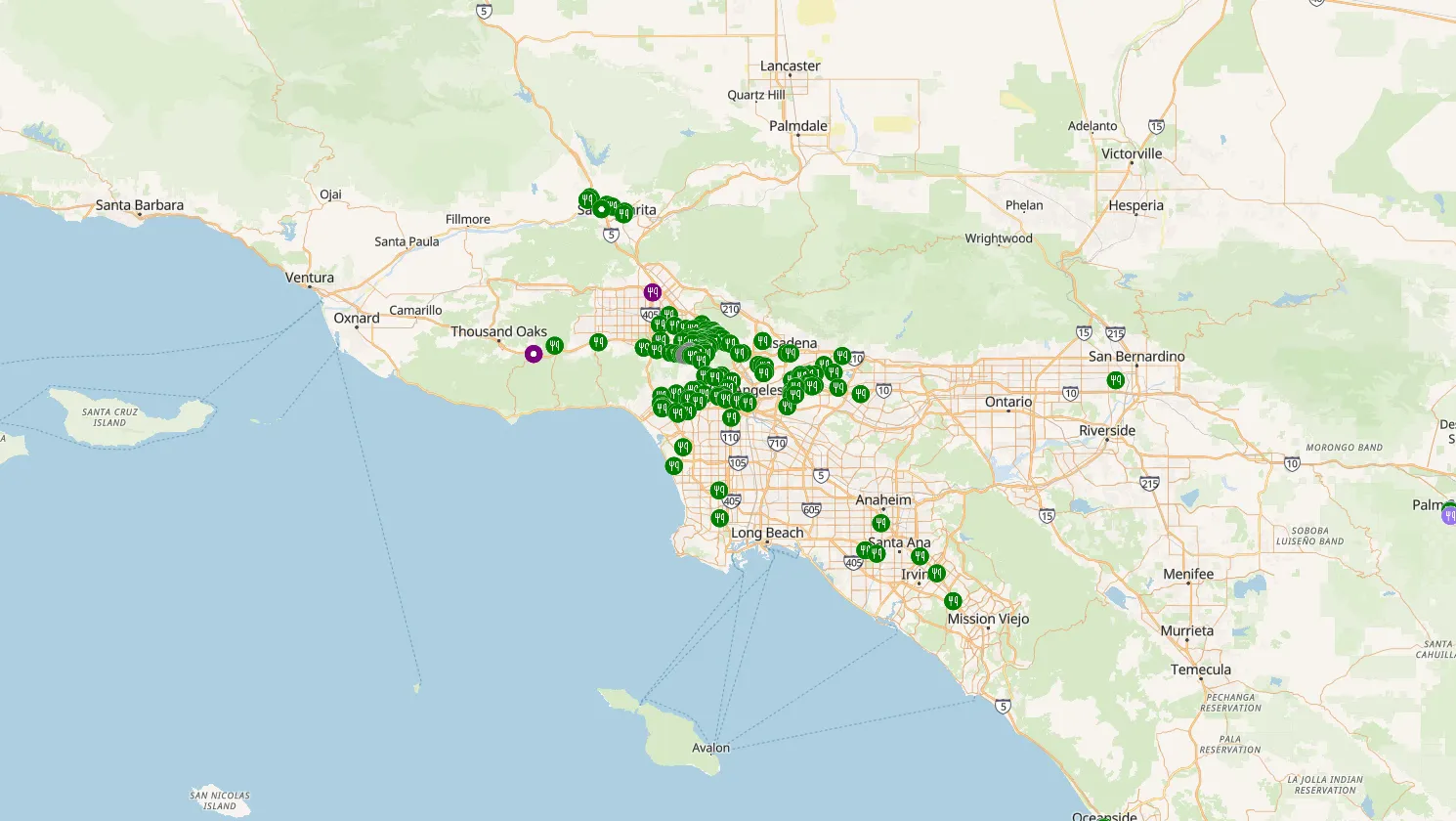
Before this plugin, I tracked restaurants by hand. I’d copy the address and the Google Maps link into a note, and one entry could take minutes. I got tired of doing the connective tissue. When I’m at a new restaurant, I want to be present, not sitting there making a file.
So I built Google Places Search. It was my first Obsidian plugin, and I didn’t really know TypeScript going in. I’d tried before and hit too much friction. Claude connected the technologies and got the tests passing. Obsidian’s plugin requirements are stringent if you don’t know what you’re doing.
It’s simple now, after many iterations. I type the name of a place, or a rough idea of it, and press a button. The matches come up. If there’s only one, it skips the selection and drops a linked note with the address, coordinates, a photo and the Google rating. My restaurant template takes it from there, with my own ratings and a Nearby view of every place within five miles.
The fix I’m proudest of only showed up because I use it every day: the alias. How a company presents itself is different from how I want it in my notes. A place might have three locations across different states, but I only care about the one near me, and the business’s name for that location doesn’t matter to me. So the plugin keeps my original search text as an alias, and I name the note whatever I want.
I held off on publishing for a long time. Early on it wasn’t meant to be public, so I had to strip the personal info out first. I hope it reaches foodies who want to document their food privately. Yelp censors posts, which is a problem. In my own vault I can say what I want without minding a company’s reputation.
If I started this today, I’d begin with a larger, more generic scope. A clear picture of the end state would have saved a lot of iteration. But a lot of that iteration came from using the thing and learning what actually worked.
Map tiles by OpenFreeMap, © OpenMapTiles, data © OpenStreetMap contributors.