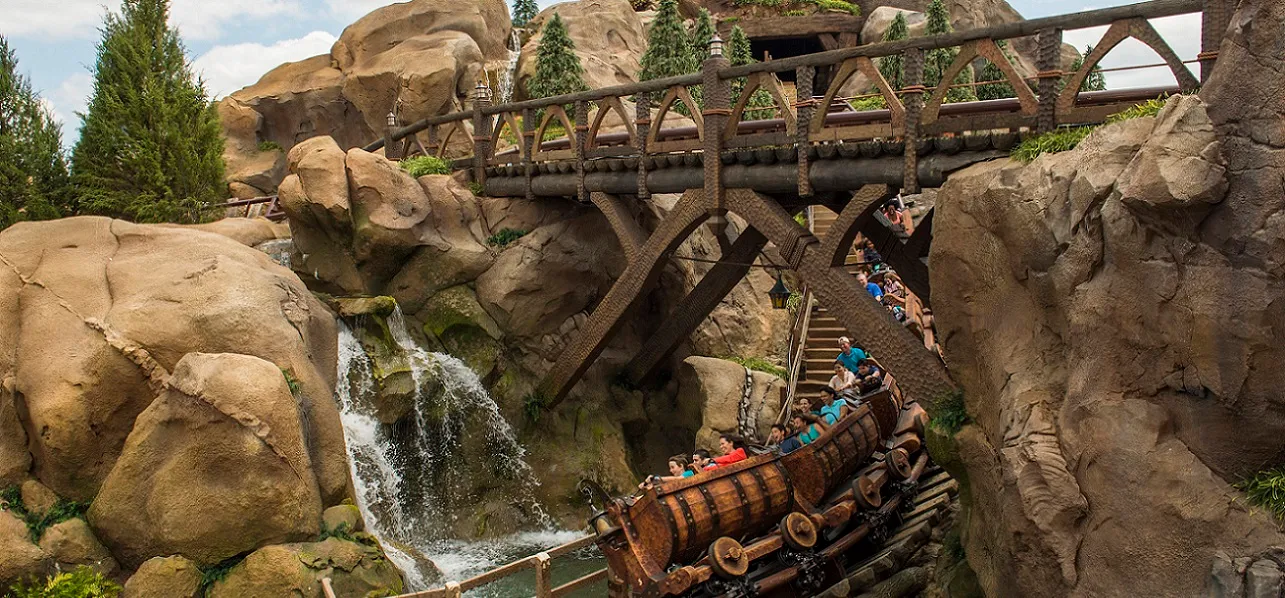
As a Ride Controls Software Engineer, I designed and implemented the control software for the Seven Dwarfs Mine Train at Shanghai Disneyland — a best-in-class, family-oriented roller coaster.
Math + creativity = fun. I study game design and have developed two board games, balancing mechanics, math, and playtesting into something genuinely fun.
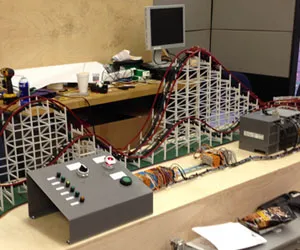
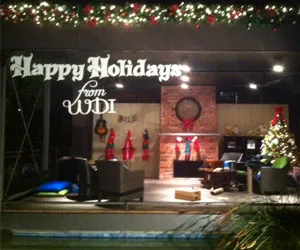
A miniature but fully functional roller coaster built for the WDI Open House — PLC-controlled with real block-zoning logic that detects dangerous situations like a valleying train and brings the system to a safe state.
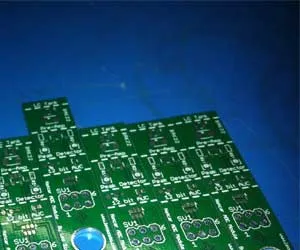
A modular Natcar designed as an educational platform — built from an analog front end, a full-featured BLDC motor controller, a power board, and a microcontroller board so other students can extend and redesign it.
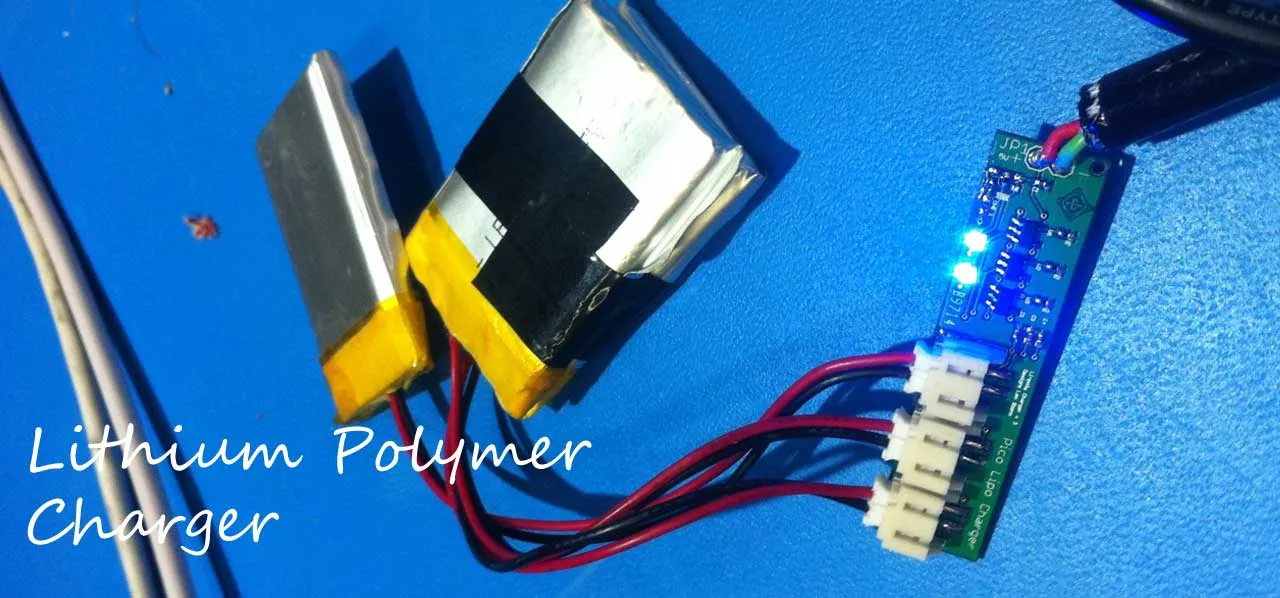
A finger-sized, low-cost charger that tops up three lithium-polymer batteries at once for about $2.50 per charger — built to support UCLA IEEE's OPS program instead of paying $10 per single charger.
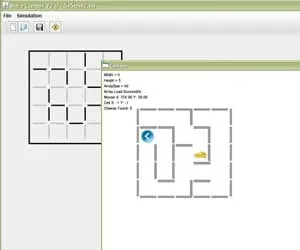
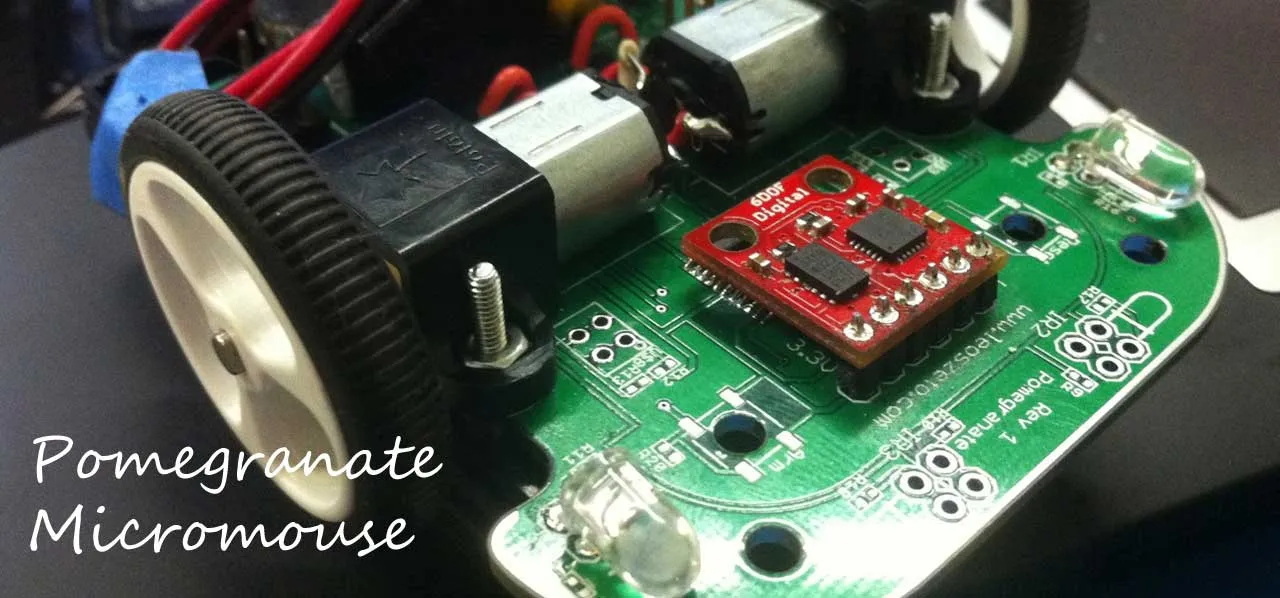
A compact 80 mm × 80 mm micromouse robot with every component for precise movement mounted on a single PCB — including a Bluetooth port and a 6-DOF inertial measurement unit.
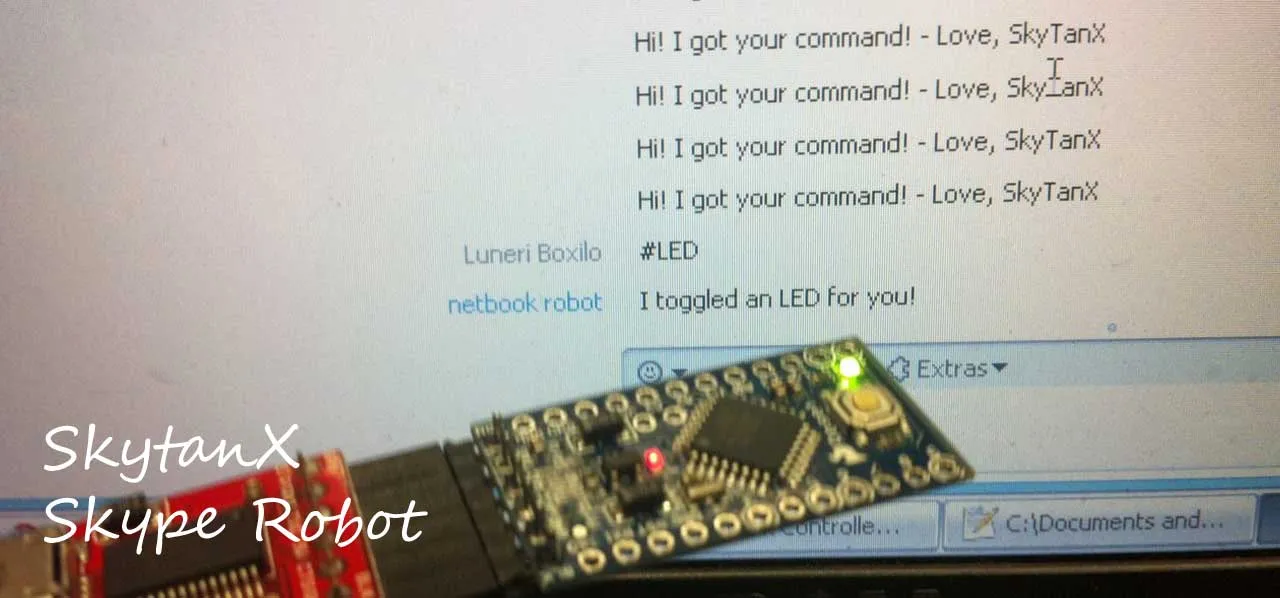
A telepresence robot driven over Skype — call the robot to get its live video/audio feed, then steer it with typed commands or a vision-based virtual joystick. Zero client-side setup beyond Skype.
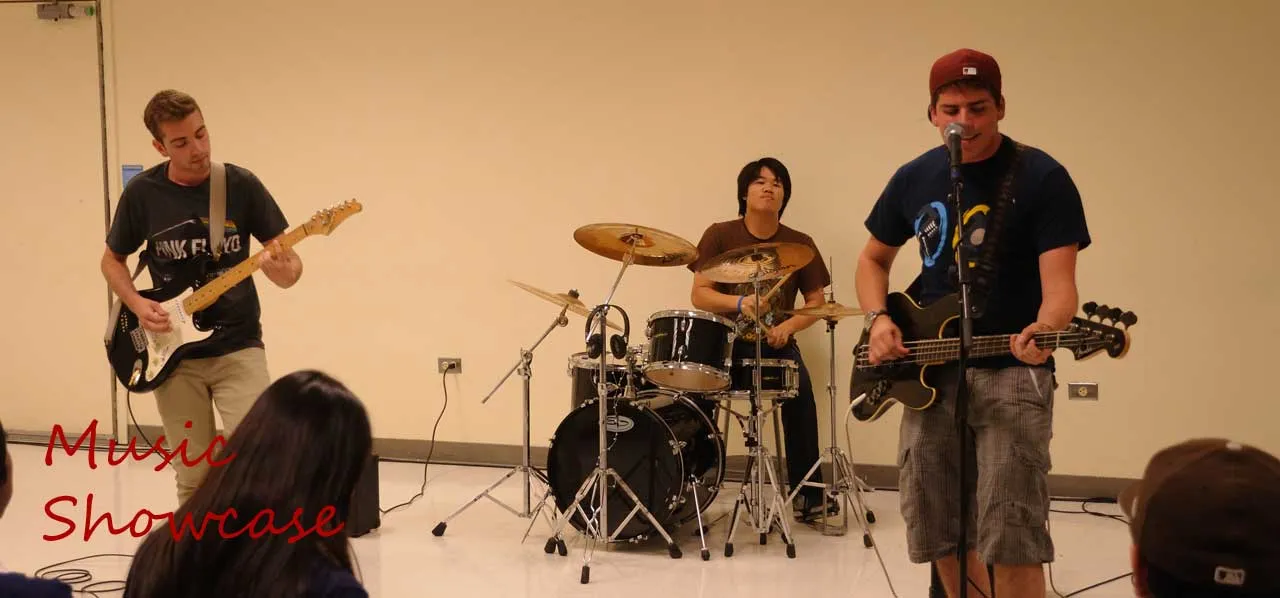
My passion for drums — playing rock and blues with a group of fellow engineering students who gather to step away from rigorous studies and just have fun with music.
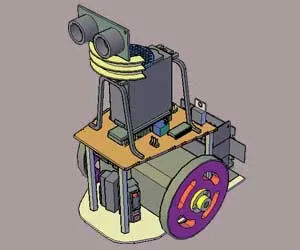
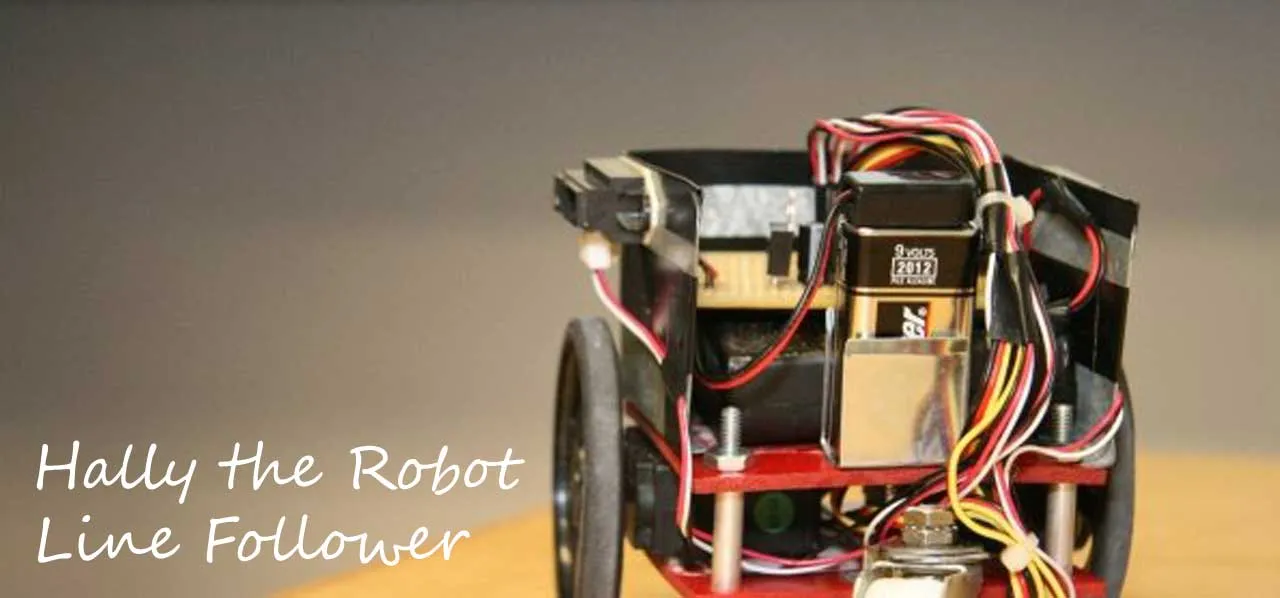
My first foray into robotics — a path-following robot built with a team at Skyline College, based on the Society of Robots "$50 Robot", and presented at an undergraduate research symposium at Stanford.
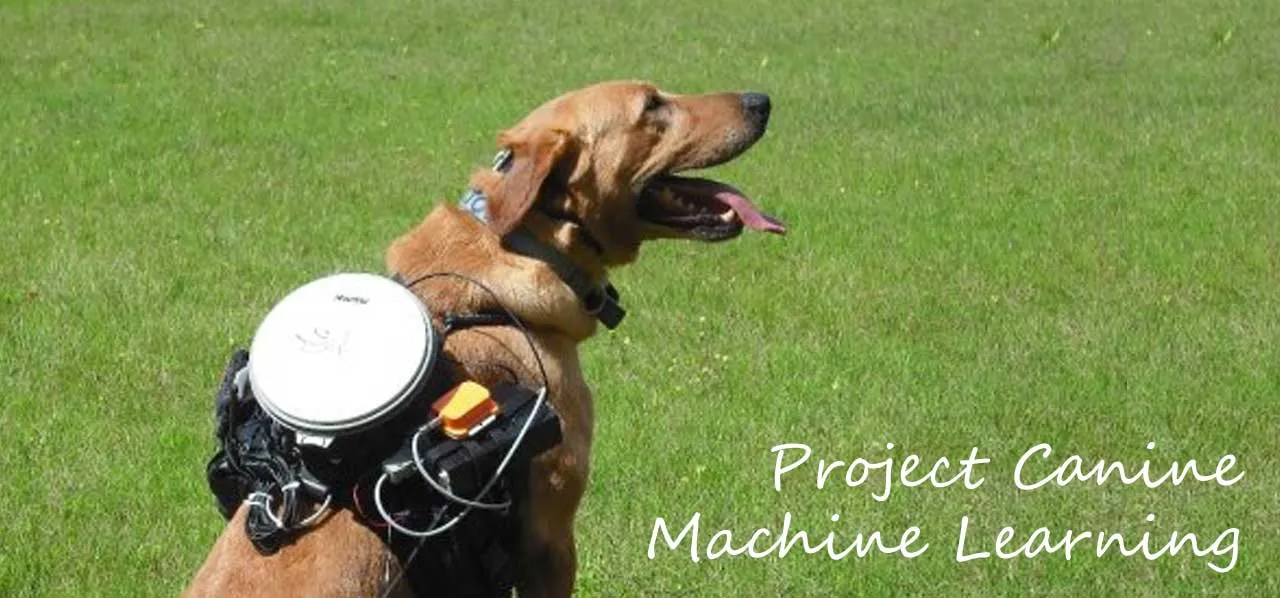
A summer research project (NSF / Auburn University) that derived a working dog's motions from noisy sensor data using a machine learner and GUI — built around Major, a Labrador Retriever wearing a remote sensing and comms package.